
THE WONDERS OF HIGH MOUNTAINS
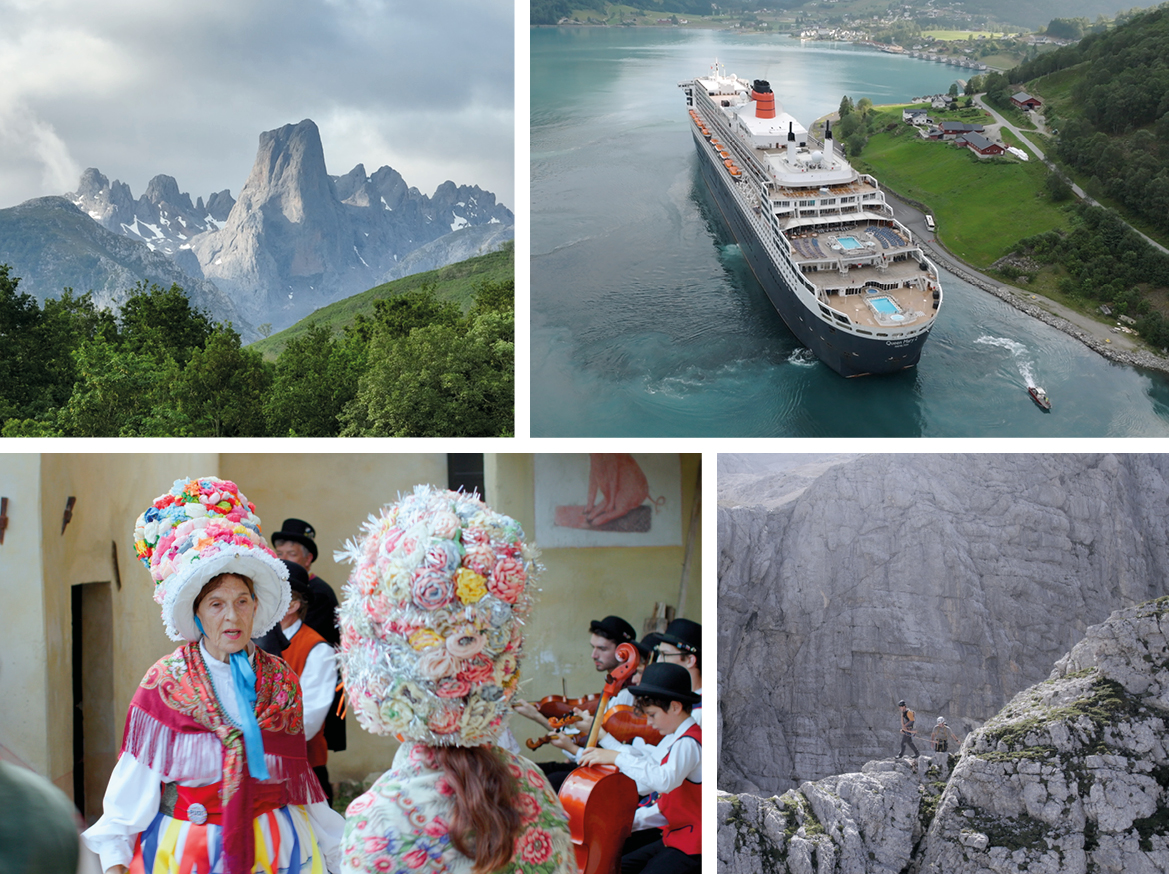
High mountain ranges are ecosystems vital for human survival, yet they are particularly threatened by climate change. We explore the special role these fragile environments play across four different countries.
High mountains may cover only a fraction of the Earth’s surface, yet they are essential for human survival. Without them, life in the lowlands would scarcely be possible. More than two-thirds of the world’s freshwater resources originates in high mountains. They serve as refuges for endangered species of plants and animals. Shaped by rocks, wind and water, they create climate zones and vital habitats, supplying mineral dust that enriches sediment in the valleys. Fertile soils would not exist without high mountains. But average temperatures in the Alps are rising at twice the global rate, placing increasing strain on plants and animals. Snow cover is melting faster than ever before, bringing a short-term surplus of water – but also more natural disasters. And in the long run, less meltwater means less drinking water. This series explores four European mountain ranges where ecological functions are visibly changing: the Julian Alps (Slovenia and Italy), the Picos de Europa (Spain), Norway’s Jotunheimen range and the Caucasus Mountains in Georgia. Together, they reveal how climate change is transforming alpine environments – and how humanity must learn to adapt.