
BRAZIL’S CARBON CREDIT SCHEMES
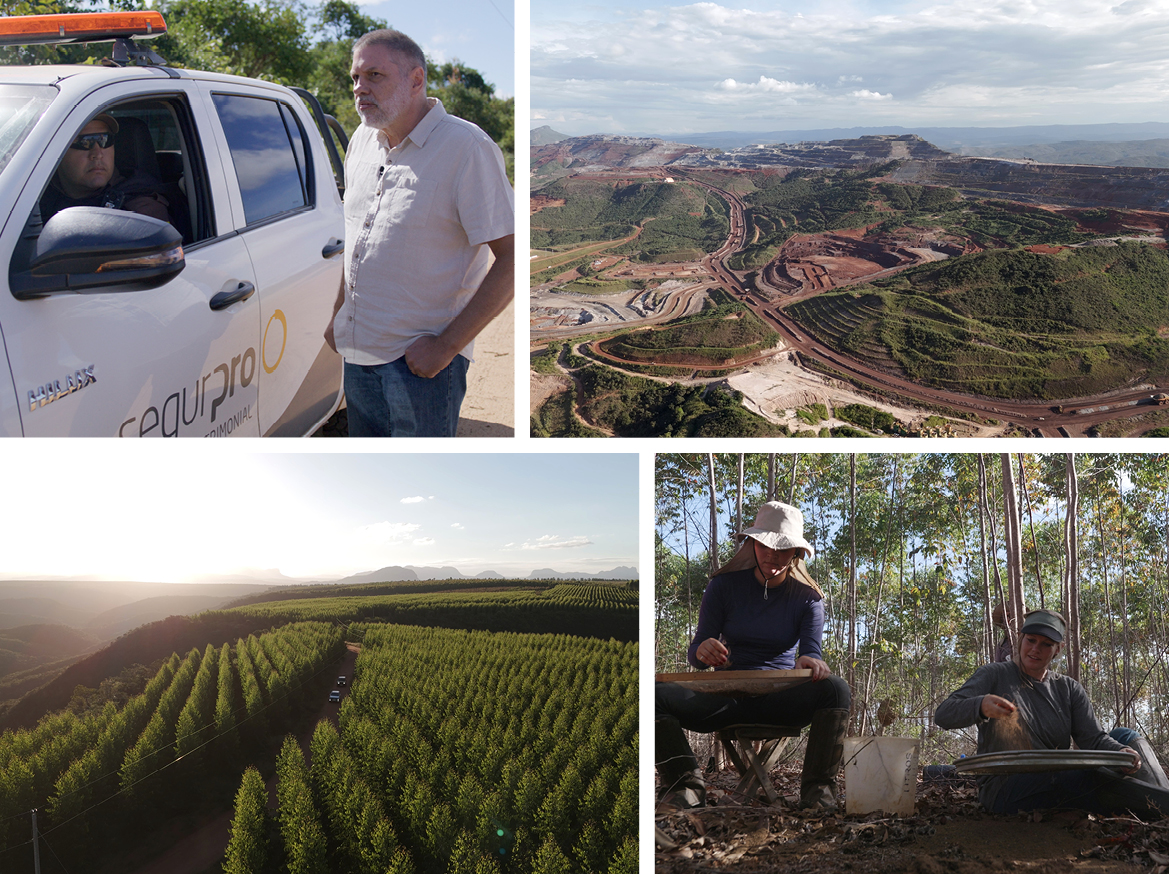
Brazil’s eucalyptus plantations receive lucrative carbon credits. But how does this high-profile reforestation project really work? And what impact does it have on the climate, biodiversity and local communities?
It’s an ambitious promise: with over 100 billion dollars, the World Bank, the United Nations and governments around the world aim to tackle the climate crisis. As part of a high-profile global initiative, vast swathes of land in Brazil – and later in Europe – are being replanted to offset global CO₂ emissions. Investors in these reforestation projects receive carbon credits, which “polluting” companies can purchase to offset their own emissions. The plan is tempting: restore the planet’s lungs, protect forests, combat climate change – all while the economy carries on as usual. Yet beneath this glossy façade, doubts are mounting. Will billions of dollars genuinely benefit the climate, or merely line corporate pockets? The film follows scientists deep into Brazil’s Cerrado rainforest as they investigate whether these supposedly climate-friendly reforestation projects – such as eucalyptus plantations – really sequester more CO₂ than the original forests they replaced. The team also assesses the broader consequences for the climate, biodiversity and local communities. Their findings are alarming and confirm suspicions that large-scale climate fraud may be occurring.