SCIENCE

  • ENDOMETRIOSIS – HOPE FOR NEW THERAPIES

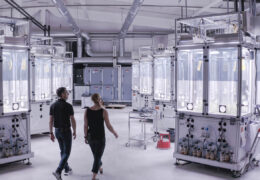
    Over 200 million women around the world suffer from endometriosis, a chronic condition that often goes undiagnosed. The film shows how new diagnostic and therapeutic approaches are being researched across Europe – from the saliva test and high-intensity focused ultrasound to genetic individualised therapy.

  • CARGO SAILBOATS

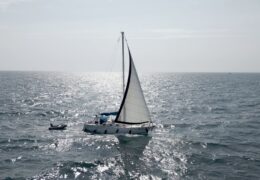
    Shipping aims to be climate-neutral by 2050 – and modern cargo sailboats could be the answer. Powered mainly by wind, a new generation of ships is already successfully testing emission-free transport from Europe to America. Drawing on high-tech innovations from ocean racing and digital weather routing, they are delivering impressive results.

  • ORCAS ON THE ATTACK?

    Since the summer of 2020, boats sailing along the Atlantic coast from the Strait of Gibraltar to the Bay of Biscay in the north have been repeatedly attacked by orcas. The whales specfically target and destroy the boats’ rudders. Researchers want to understand what drives the orcas. Curiosity? Competition for food? Or is it all a game?

  • THE IMMUNE SYSTEM – GUARDIAN OF OUR HEALTH

    Since the COVID pandemic, the immune system has become a focal point of medical research. What is the immune system? How can we boost it? Under what circumstances does it fail? How can it help cure diseases like cancer? This scientific film features fascinating examples, interviews with international experts and graphic explanations.

  • THE VANISHED CIVILISATION OF HONDURAS

    A highly developed civilisation is said to have existed in eastern Honduras. But shortly after the arrival Christopher Columbus’ ships, it vanished. An international team of archaeologists sets off for the Caribbean to retell a long-forgotten story with the help of local people. Some spectacular discoveries are made.

  • HEAT WAVES

    Heatwaves are increasing in frequency, duration and intensity. How can we protect ourselves against extreme heat in the future? What management strategies are there? Cities, in particular, face enormous challenges. This film examines scientific answers and visits “hotspots” in Europe.

  • THE SECRET OF PREHISTORIC MOTHERS

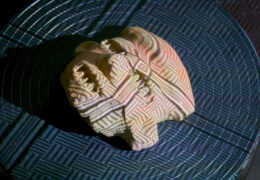
    What was motherhood like in prehistoric times? Recent archaeological findings prove that the cooperative support of mothers within a community became a successful reproductive strategy. This scientific film also offers insights into evolutionary biology by examining the communal way young white-tufted marmosets are reared.

  • THE BEE DILEMMA – PROFIT OR SPECIES PROTECTION

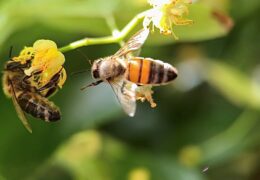
    A few years ago, everyone was talking about declining bee populations, but today beekeeping is booming. There are now so many farmed bees in Swiss cities that they are taking away food from rare wild bees and other insects. This is a problem for biodiversity. Conservationists are now campaigning for the regulation of beekeeping.

  • THE TREASURES OF THE PHARAOHS – EBERS PAPYRUS

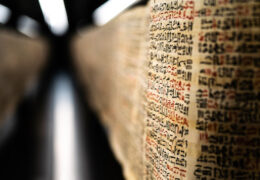
    The film tells of the discovery of the world’s oldest medical manual. Georg Ebers, a German Egyptologist, came upon the 3,500-year-old work in Luxor in the late nineteenth century and carried it back with him to Saxony in a spectacular manner.

  • DRINKING WATER – ARE SOURCES DRYING UP?

    Our blue planet is running out of drinking water. Researchers around the world are trying to find ways to save drinking water. New technologies, ideas inspired by nature and prehistoric knowledge give us hope. The journey takes us from Swiss alpine glaciers and the seabed off Malta to Peru, where Incan knowledge about water is being rediscovered.

  • DYSLEXIA – A NEW PERSPECTIVE

    Dyslexia is a complex condition whose causes are still not fully understood. At least 5% of all children and adolescents worldwide have difficulty reading and spelling. This film looks at the psychologically stressful situation these children face. It showcases success stories and finds out how researchers are searching for causes and treatments.

  • THE DNA OF SOIL

    We live on and from it, and yet we know very little about the soil beneath our feet. What is our soil made of? How can we use and preserve it as sustainably as possible? Scientists take a look below the surface of the earth and delve deeply into the DNA of soil.